Exploring the Work of Photographers Behind Magazine Cover Stories

A magazine cover is arguably the most valuable piece of real estate in the publishing world. It serves as a visual anchor, a cultural timestamp, and a highly calculated marketing tool designed to halt a distracted consumer in their tracks. While readers often attribute the power of a cover to the fame of the celebrity featured or the controversy of the headline, the true architect of that impact is the photographer. Behind the single, glossy image that defines a publication for the month lies a high-stakes, intensely pressurized world of creative direction, psychological maneuvering, and technical mastery.
Shooting a magazine cover is not simply a matter of taking a beautiful portrait. It is an exercise in complex storytelling, requiring the photographer to synthesize the editorial narrative, the subject’s public persona, and the publication’s brand identity into one instantaneous visual punch.
The Anatomy of a Cover Shoot
The journey of a cover image begins weeks, sometimes months, before a camera is ever lifted. Long before the talent arrives on set, the photographer is entrenched in a rigorous pre-production process that dictates the entire trajectory of the shoot.
The Creative Brief and Conceptualization
Every cover story starts with a creative brief, a foundational document developed in tandem with the magazine’s editor-in-chief and creative director. This brief outlines the angle of the accompanying feature article, the target demographic, and the emotional tone the cover needs to convey. The photographer’s job is to translate these abstract editorial goals into a concrete visual aesthetic.
This requires extensive mood boarding to establish the lighting style, color palette, set design, and wardrobe direction. A successful cover photographer must be a visual polyglot, capable of speaking the unique visual language of different publications. A photographer shooting for a high-fashion glossy will lean into avant-garde styling and dramatic, structural lighting, while that same photographer shooting for a prestigious news weekly must pivot to a grounded, raw, and intimate documentary aesthetic. Adapting to these varying institutional voices while maintaining a distinct personal signature is the hallmark of a master editorial photographer.
Designing for the Masthead and Cover Lines
Unlike a standard portrait or an interior editorial spread, a cover image cannot exist independently; it must seamlessly integrate with heavy typography. The photographer must compose the shot with the magazine’s layout in mind, purposefully leaving “dead space” or negative space to accommodate the masthead, barcode, and cover lines.
If the lighting is too complex or the background too busy in the upper third of the frame, the publication’s logo will get lost. If the subject’s body positioning does not allow room for text on the sides, the image becomes functionally useless to the art department. Cover photographers are constantly shooting with an invisible grid in their minds, ensuring their artistic composition serves the utilitarian needs of the graphic designers. They often shoot tethered to a digital workstation with a transparent overlay of the magazine’s cover layout placed directly over the live feed, allowing them to adjust the subject to fit the typography in real-time.
The Psychology of High-Stakes Portraiture
Perhaps the most demanding aspect of shooting a magazine cover is the human element. The subjects of these covers are often A-list actors, global politicians, elite athletes, or prominent cultural figures. These are individuals who are hyper-aware of their public image, heavily guarded by publicists, and perpetually strapped for time.
Breaking the Armor
When a high-profile subject walks onto the set, they are often wearing a practiced, impenetrable mask. They know their best angles, their signature smiles, and their approved poses. The cover photographer’s most difficult task is breaking past this rehearsed armor to capture a moment of genuine vulnerability, defiance, or raw charisma that the public has not seen before.
This requires extraordinary emotional intelligence. The photographer must quickly read the room, establish immediate trust, and take absolute control of the environment. They act as part director, part psychologist, and part confidant. Sometimes, this means keeping the set incredibly quiet and intimate to draw out a somber, reflective mood. Other times, it requires playing high-energy music and using relentless verbal encouragement to elicit a dynamic, physical performance. The ability to manipulate the energy of a room and connect deeply with a stranger in a matter of minutes is what separates a competent technician from a legendary cover photographer.
The Tyranny of the Clock
While an interior editorial spread might afford a photographer an entire day of experimentation, the cover shot is often a race against the clock. Publicists may grant the photographer only fifteen or twenty minutes of the talent’s time to capture the hero image. In that fleeting window, the lighting must be flawless, the wardrobe perfectly tailored, and the camera settings locked in. There is zero margin for technical error.
To manage this pressure, photographers utilize stand-ins during pre-lighting. Before the celebrity ever steps foot on the mark, an assistant of similar height and complexion stands in the frame while the photographer fine-tunes the strobe output, shapes the shadows, and perfects the exposure. By the time the actual subject arrives, the technical heavy lifting is entirely resolved, allowing the photographer to focus exclusively on engaging the talent and chasing the perfect expression.
Navigating the Intersection of Art and Commerce
It is crucial to understand that a magazine cover is ultimately a piece of commercial packaging. Its primary function is to sell copies on the newsstand and generate clicks in the digital space. This commercial reality often creates a natural tension between the photographer’s artistic ambitions and the publisher’s financial imperatives.
Editors rely on the “ten-foot rule,” dictating that the image must be striking, legible, and compelling from ten feet away on a crowded newsstand. This often means favoring tight, brightly lit crops with direct eye contact over wider, moodier, or more abstract compositions that a photographer might personally prefer. The art of cover photography lies in smuggling genuine artistry into a highly commercialized format. The greatest cover images manage to satisfy the aggressive marketing demands of the publisher while still operating as standalone works of fine art.
The Invisible Army: Orchestrating the Set
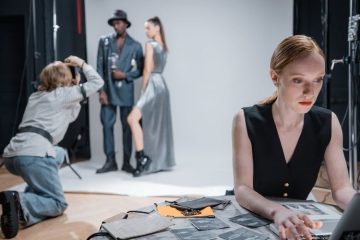
The final cover image may be credited to a single photographer, but it is the result of a massive collaborative effort. A cover shoot is a complex logistical operation, often resembling a small film production. The photographer serves as the director, overseeing a sprawling crew of highly specialized professionals.
Gaffers and lighting assistants manage hundreds of pounds of grip equipment, shaping the light precisely to the photographer’s specifications. The wardrobe stylist, hair stylist, and makeup artist work relentlessly between every click of the shutter to ensure not a single thread or flyaway hair distracts from the subject. Meanwhile, the digital technician acts as the technical safety net, managing the incoming raw files, applying instant color grades, and ensuring that the digital data is securely backed up in real-time. The photographer must orchestrate this chaotic symphony seamlessly, ensuring the technical machinery never overwhelms the intimacy of the shoot itself.
Post-Production and the Final Polish
Once the shoot concludes, the battle moves into the editing bay. The photographer and the magazine’s photo editor pore over hundreds, sometimes thousands, of frames to select the single image that will define the issue. This selection process is brutal; a technically perfect image might be discarded because the subject’s expression is too passive, while a slightly imperfect frame is chosen because it possesses an undeniable, magnetic energy.
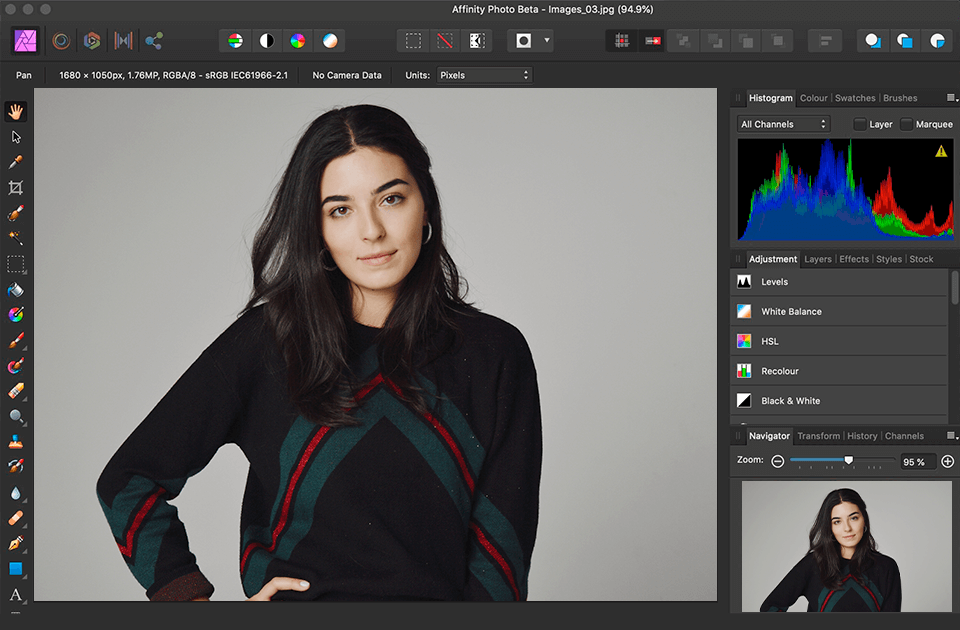
The selected image then enters the post-production phase, which requires a delicate ethical and aesthetic balance. In modern editorial photography, retouching is expected, but the best retouching is entirely invisible. The goal is to polish the image—removing distracting background elements, balancing skin tones, and enhancing the local contrast—without compromising the authenticity of the subject or crossing the line into digital fabrication. The photographer works closely with specialized retouchers to ensure the final file retains the organic texture and lighting nuances that were painstakingly created on set.
When a magazine hits the stands, the cover is consumed by the public in a fraction of a second. Yet, that split-second impression is built upon weeks of planning, years of technical mastery, and the unique ability to forge a profound human connection under crushing pressure. The photographers behind these cover stories do more than just take pictures; they distill the cultural zeitgeist into a single, unforgettable frame, shaping how we remember the icons of our time.