Exploring Behind-the-Scenes Responsibilities During Commercial Fashion Productions
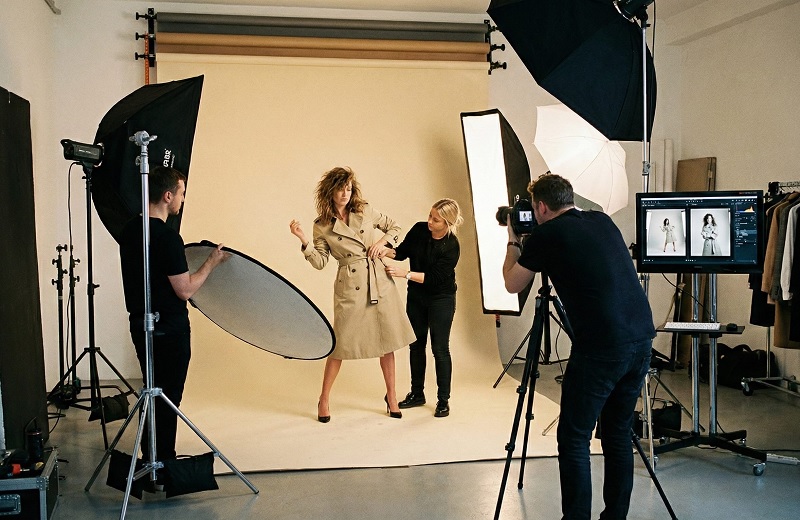
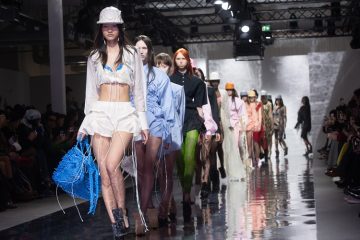
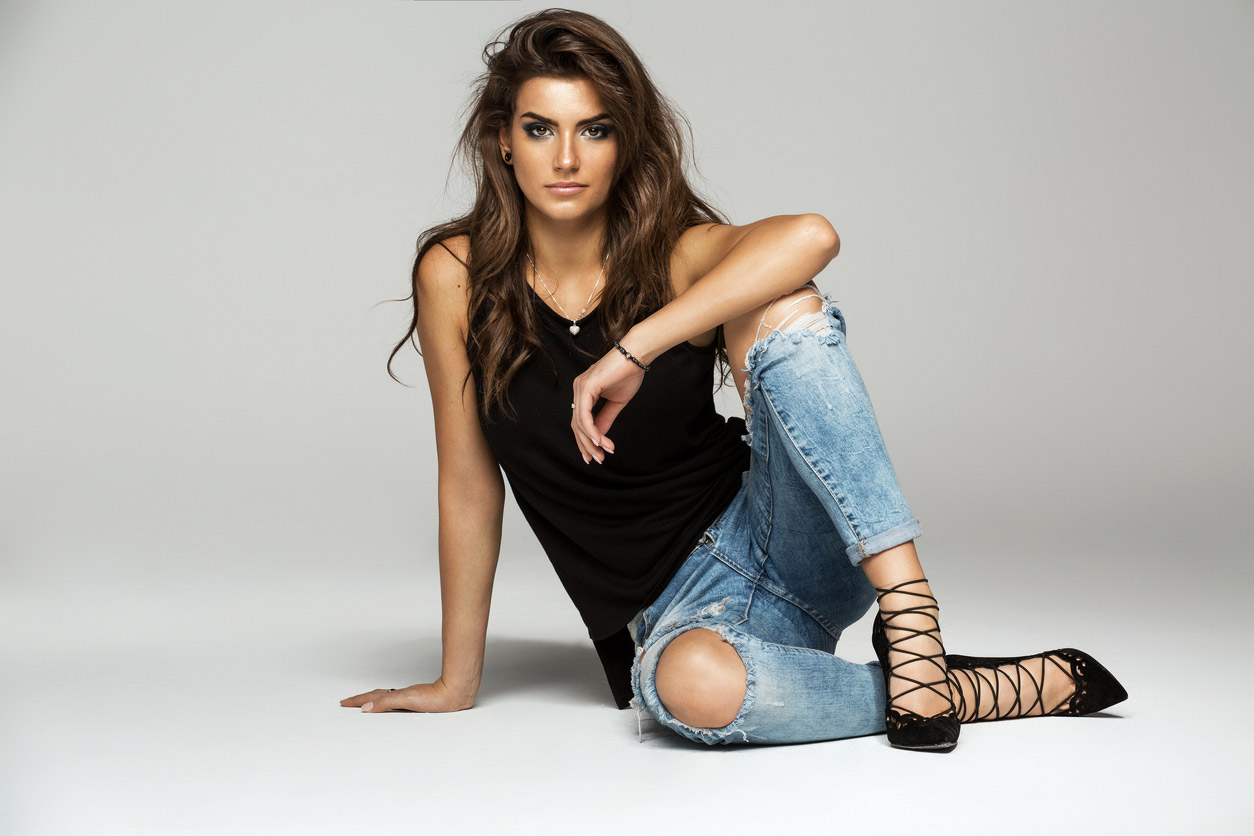
When you look at a luxury fashion campaign on a towering billboard or flip through a pristine editorial spread in a glossy magazine, the final image projects an illusion of effortless glamour. A solitary model strikes a dynamic pose against a breathtaking landscape, bathed in flawless light. However, that single frame of manufactured perfection completely obscures the reality of how it was created. A commercial fashion production is a high-stakes, fast-paced logistical operation that functions more like a military deployment than a spontaneous artistic endeavor.
Behind the camera, there is a sprawling ecosystem of specialized professionals working in synchronized chaos. From the earliest conceptual meetings to the final wrap of the day, the success of a commercial fashion shoot relies entirely on these unseen responsibilities and the relentless problem-solving of a dedicated crew.
The Architecture of a Shoot: Pre-Production Logistics
Long before a single light is positioned or a garment is unzipped, the foundation of a successful campaign is built during pre-production. This phase is entirely invisible to the consumer but dictates every minute of the actual shoot day.
The Producer’s Domain
The production team serves as the operational command center for the entire project. While the photographer and art director manage the creative vision, the producer manages the reality of executing it. Their responsibilities include drafting extensive budgets, securing specialized liability insurance, and pulling local permits to ensure the crew isn’t shut down by city officials while shooting on a public street.
Perhaps their most critical document is the call sheet. Issued the night before the shoot, the call sheet is the master schedule that dictates the exact arrival times, parking logistics, nearest emergency room locations, and contact information for every person on set. If a producer fails to account for travel time during rush hour or underestimates the time needed for elaborate hair styling, the entire multi-thousand-dollar production can run off the rails before the first shot is even taken.
Art Direction and Conceptualization
Working in tandem with the producer is the art director, who serves as the liaison between the brand’s marketing executives and the creative crew. They are responsible for building comprehensive mood boards that define the exact color palette, lighting style, and emotional tone of the campaign. Their behind-the-scenes responsibility is to ensure that the photographer’s artistic impulses align perfectly with the client’s commercial objectives, protecting the brand’s identity at every step.
Wardrobe and Styling: Engineering the Look
It is a common misconception that fashion stylists simply pick out nice clothes and hand them to beautiful people. In the realm of commercial production, styling is an intensely physical and highly technical discipline.
The styling department spends weeks sourcing garments, communicating with global PR showrooms, and managing hundreds of high-value samples. Because runway samples typically arrive in a single standard size, the on-set reality requires heavy engineering. Stylists and their assistants use an arsenal of heavy-duty binder clips, double-sided tape, and strategically placed pins to sculpt oversized garments to the model’s exact proportions. This tailoring is done on the fly, entirely out of the camera’s view, creating the illusion of a perfect fit.
Furthermore, the wardrobe team is responsible for extreme garment care. They spend hours steaming delicate silks, removing lint, and meticulously logging every piece of jewelry to ensure that a borrowed $50,000 diamond necklace makes its way back to the security vault at the end of the day.
Technical Execution and Set Operations
While the photographer is the creative anchor on set, they are rarely operating alone. Surrounding them is a dedicated technical crew responsible for manipulating the physical environment and securing the digital assets.
Lighting Technicians and Gaffers
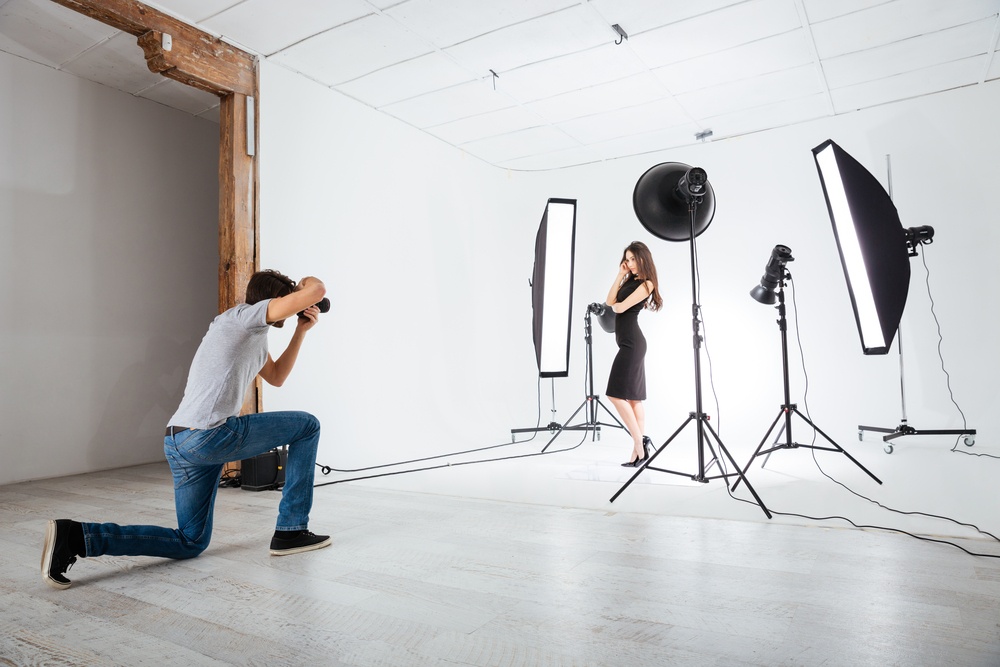
Natural light is notoriously unpredictable, so commercial productions rely heavily on artificial lighting to maintain absolute consistency over a twelve-hour shoot. Gaffers and lighting assistants haul hundreds of pounds of metal stands, sandbags, and high-wattage strobe packs. Their responsibility is to shape the light exactly to the photographer’s specifications. Whether they are bouncing light off massive diffusion silks to mimic a soft overcast day or utilizing harsh spotlights to create sharp, dramatic shadows, these technicians are the unsung artists painting the scene. They must also manage heavy cable runs, ensuring the set remains a safe working environment free of trip hazards.
The Digital Technician (DigiTech)
If the producer is the brain of the operation, the Digital Technician, or DigiTech, is its nervous system. In modern commercial photography, images are rarely saved solely to a memory card. Instead, the camera is tethered directly to a powerful workstation laptop managed by the DigiTech.
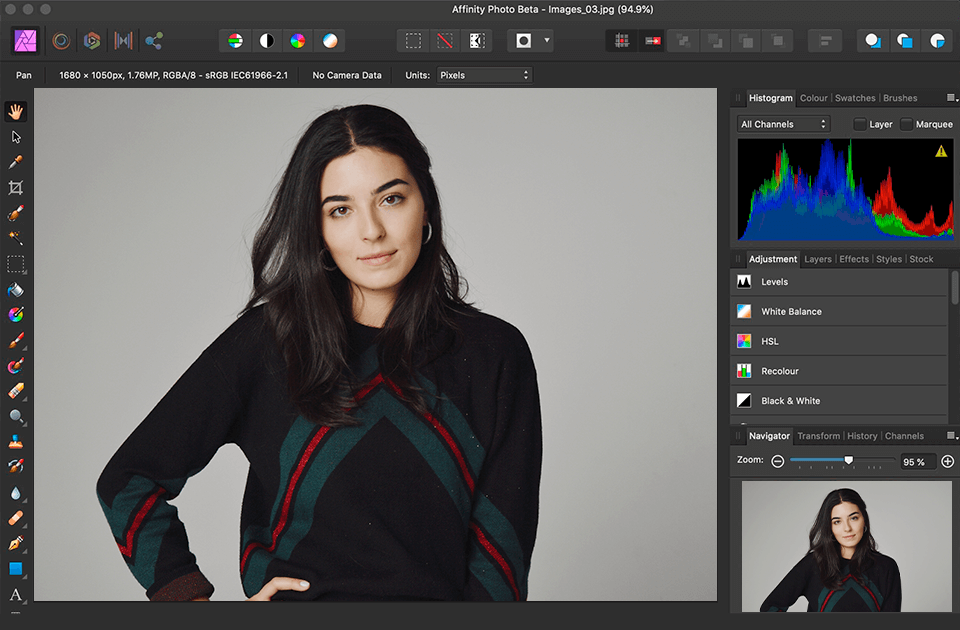
As the photographer shoots, high-resolution RAW files populate instantly on a calibrated monitor. The DigiTech’s responsibility is monumental: they check critical focus, apply live color-grading profiles so the client can envision the final product, and organize the files into meticulously named folders. Most importantly, the DigiTech is the guardian of the data. They run continuous, redundant backups to multiple hard drives throughout the day. If a memory card corrupts or a camera malfunctions, it is the DigiTech who ensures that tens of thousands of dollars in production value are not lost to the digital void.
Glamour and Talent Management
Creating a flawless commercial aesthetic requires intense focus from the Hair and Makeup Artists (HMUA). Unlike a salon environment, on-set HMUA professionals work under crushing time constraints. They often have just an hour to transform a model’s appearance before the camera rolls, and their work does not stop once the model steps onto the set.
They remain just outside the frame, rushing in between clicks of the shutter to tame a flyaway hair, powder a shiny forehead, or reapply lip gloss. In commercial fashion, continuity is king. If an advertising campaign is being shot out of sequence over three days, the makeup artist must replicate the exact same look on day three that they established on day one, ensuring seamless visual flow in the final catalog.
Simultaneously, managing the talent’s energy is a shared responsibility across the crew. Modeling is physically demanding work, often requiring talent to hold uncomfortable poses in heavy winter coats during a sweltering summer shoot, or shivering in swimwear on a frigid beach. The crew must anticipate these needs, providing warming tents, heavy robes, and constant hydration to keep the talent safe, comfortable, and capable of performing at their peak.
The Unsung Heroes: Production Assistants
No commercial fashion set can function without Production Assistants (PAs). Holding the entry-level position in the industry, PAs handle the gritty, unglamorous logistics that keep the machinery turning.
They are the first to arrive and the last to leave. Their responsibilities range from setting up folding tables and managing craft services to driving cargo vans through narrow city streets and making emergency runs to the hardware store for specialized tape. A great PA anticipates the needs of the senior crew before a request is even made. When a sudden rainstorm threatens to ruin a location shoot, it is the production assistants who are sprinting across the pavement with heavy plastic tarps to protect the camera gear. They are the absolute glue of the production ecosystem.
The Wrap and Post-Production Handover
When the photographer finally calls “that’s a wrap,” the creative team might celebrate, but the logistical work is far from over. The teardown process, known as striking the set, must be executed with speed and precision.
The lighting crew breaks down heavy modifiers and coils miles of cabling. The styling team frantically packs garment bags, meticulously checking their inventory logs to ensure every designer shoe and accessory is accounted for. If the shoot took place internationally, producers must prepare exhaustive customs documents to ensure the garments can cross borders without being seized.
Finally, the DigiTech hands over the master hard drives to the producer or directly to the post-production retouching team. Only when the rental trucks are loaded, the location is swept clean, and the data is secured in three separate locations does the production truly come to a close.
The next time you see a striking fashion advertisement, look beyond the model and the clothing. Hidden just outside the edges of that frame is a small army of technicians, stylists, producers, and assistants whose exhausting physical labor, technical mastery, and meticulous planning made that fleeting moment of perfection a reality.