Professional Headshots for Business: Defining Your Visual Impact

Choosing to invest in business headshots is often the point at which a professional transition moves from a private goal to a public reality. Whether you are updating your personal brand, preparing for a new industry role, or ensuring that your firm’s digital presence feels cohesive and approachable, the image you present often serves as the initial handshake in a virtual environment. Navigating the process of working with a professional headshot photographer requires more than just finding someone with a camera; it involves understanding how to translate your professional identity into a visual medium that resonates with your target audience.
The Challenge of Balancing Accessibility with Authority
One of the most common difficulties in professional branding is finding the middle ground between appearing authoritative and appearing accessible. A photograph that is too formal can feel cold or distant, potentially hindering the trust-building process before a conversation even begins. Conversely, an image that feels too casual may fail to convey the expertise and reliability that stakeholders or potential clients look for in their professional associations.
Many people feel a sense of hesitation when preparing for a session because they do not see themselves as subjects who photograph naturally. This is a normal and common reaction. The challenge for a skilled practitioner is to remove the discomfort of the studio environment so that the final image reflects a genuine, confident expression rather than a posed or forced one. The best outcomes are rarely the result of rigid instruction, but rather the product of an environment where the subject feels comfortable enough to engage with the camera authentically.
How the Professional Portrait Process Generally Functions
Working with a professional headshot photographer is typically a collaborative process that spans several distinct phases. It begins with a conversation about intent. A session for a corporate legal professional, for example, might prioritize a clean, neutral backdrop and deliberate lighting to emphasize clarity and focus. A creative professional, by contrast, might opt for an environmental setting that provides context for their work.
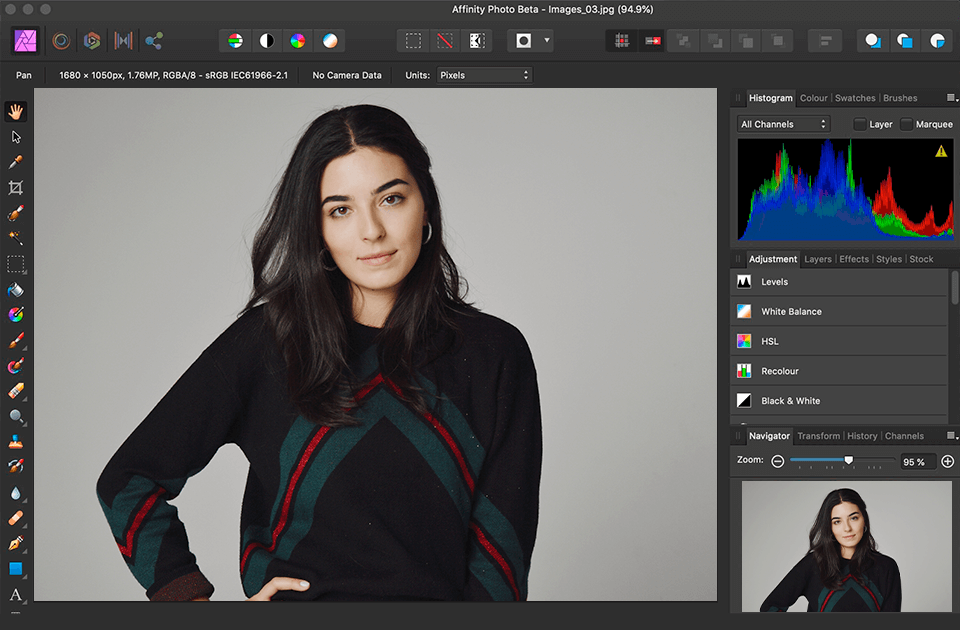
The technical execution follows this consultation. This involves managing light to create depth in the face, selecting a background that complements rather than competes with the subject, and using lens techniques that minimize distortion. A thoughtful practitioner pays attention to subtle details—how posture affects the line of the jaw, how light placement changes the perceived mood of the image, and how clothing textures react to various light sources. Once the session is complete, the process moves to editing, where the goal is to enhance the image in a way that remains true to life. This stage focuses on color balancing, exposure refinement, and the careful removal of temporary distractions, ensuring the final output is polished without appearing artificial or over-processed.
Key Factors That Shape Your Final Image
Several variables influence the effectiveness of business headshots, and understanding these can help you better prepare for your own session.
Lighting is the primary driver of quality in any portrait. It dictates the texture of the skin, the depth of the eye sockets, and the overall professional “feel” of the shot. Soft, diffused light is often preferred because it is flattering and minimizes harsh shadows, while more directional light can be used to add drama or emphasize specific features.
Clothing and color palettes also play a critical role in the final outcome. In many cases, it is helpful to choose garments that sit well against your complexion and avoid patterns that might create visual interference on digital displays. The goal is to keep the viewer’s attention on your face and your eyes. Furthermore, the background environment serves as a subtle indicator of your professional context. A blurred, neutral background helps minimize distractions, whereas a professional office setting can provide a sense of place and industry affiliation. Ultimately, the best images are those where every element—lighting, attire, and setting—works in concert to support a single, clear message about who you are as a professional.
Practical Ways to Approach Your Session
To get the most out of your time with a professional headshot photographer, treat the preparation as part of your broader professional development strategy. Start by identifying the primary use cases for the image: will it be used mostly for professional networking platforms, company websites, or high-end speaker profiles? Sharing these details with the person taking your photo allows them to make informed choices about framing and composition.
Consider the following approaches for a successful outcome:
- Prioritize clarity of purpose: Think about the one attribute you want the image to convey—is it approachability, analytical rigor, leadership, or creativity? Communicating this intent helps align the session’s tone.
- Prepare your details: Arrive with your clothing choices pressed and ready. Small details, such as how a collar sits or the condition of your accessories, are magnified in a high-resolution portrait.
- Focus on the eyes: The most compelling portraits are those where the subject is actively engaged. During the session, try to focus on the lens as if you were speaking to a single, interested person. This intentionality often shows up in the final image, providing the portrait with a sense of vitality.
- Trust the technical expertise: You do not need to know how to set the lighting or choose the focal length. Rely on the photographer’s guidance regarding your posture or the angle of your head. They are observing how the light interacts with your features in real-time and can make adjustments that you would not be able to see yourself.
Ultimately, your goal is to walk away with a tool that serves your career for the long term. A well-executed set of business headshots should not only represent your current professional status but should also feel authentic enough to serve as a reliable visual anchor as your career evolves. By focusing on your core identity and leaving the technical execution to an experienced professional, you can create a visual narrative that effectively introduces you to the people who matter most to your work. Taking this step is a meaningful investment in your professional journey.