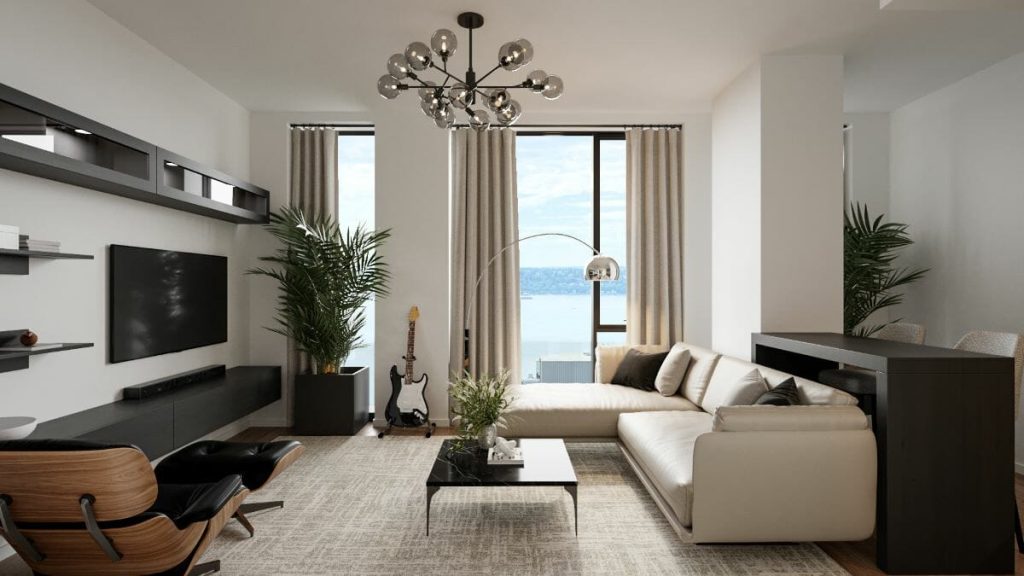

Understanding the Core Purpose of a Studio in Today’s Creative World
A modern studio is more than a workspace. It is an ecosystem designed to strengthen focus, transform ideas into tangible output, and support advanced creative practices. Whether used for filmmaking, music production, photography, writing, or mixed media work, a studio shapes the way creators think, move, and produce. Many professionals today want to produce content that passes AI content detectors and is marked as human-like, which means the environment must encourage authenticity, precision, and thoughtful craft. Using a well-planned Studio early in the creative process helps ensure the work feels natural, compelling, and rooted in genuine human insight.
A studio is not defined by size or cost but by intention. When the space encourages deep thinking, organized workflows, and sensory control, the creator can produce detailed long-form content that ranks well on Google Search, appears in AI-based previews, and feels grounded in real human experience. The anchor text Studio appears here again because the space itself is central to creative excellence and the wider strategy behind shaping meaningful, believable output.
Why Creative Professionals Need a Purpose-Built Studio Environment
High-level creative work requires stability and structure. This is why serious professionals rely on a dedicated studio environment instead of working randomly across different locations. The studio anchors the process, providing predictable conditions that support complex tasks and reduce cognitive load. This matters especially when producing in-depth material with layered ideas, technical detail, and nuanced style.
Key benefits of an intentional studio environment
- Predictable acoustic and visual conditions that elevate recording quality
- Reduced distractions, leading to deeper focus and more consistent workflows
- Faster transitions between stages of production
- Greater expressive confidence due to controlled surroundings
- Lower editing time because the raw material starts at a higher quality
The studio functions almost like a creative partner, nudging the creator toward clarity, accuracy, and high-level craftsmanship.
Designing a Studio that Encourages Human-Centered Output
Designing a studio is not simply about buying equipment. It requires a layered understanding of acoustics, ergonomics, lighting design, cognitive processing, and long-term workflow patterns. A well-designed space produces content that feels conversational, relatable, and richly human because the creator is comfortable and supported by the environment.
Acoustic design and its impact on authenticity
In audio-focused studios, acoustic treatment is essential. When a voice is recorded in a room with poor acoustics, it becomes difficult to capture the emotion, tone variation, and subtle pacing that make speech sound human. Acoustic clarity brings out natural breath patterns and vocal warmth. This makes the content more believable and easier for listeners to connect with.
Key elements of acoustic planning include:
- Absorption panels that reduce reflections
- Diffusion structures that scatter sound evenly
- Bass traps that balance low frequencies
- Furniture placement that reduces echo naturally
Thoughtful acoustic design enhances authenticity more than any software enhancement ever could.
Professional lighting as a psychological and visual tool
Lighting affects both the quality of visual output and the mindset of the creator. Soft, balanced lighting helps presenters appear more relaxed while helping viewers interpret facial cues accurately. In creative photography or filmmaking, lighting also controls the emotional tone of a scene and directs attention.
Effective lighting design focuses on:
- Soft key lights to avoid harsh shadows
- Adjustable color temperatures to match different skin tones
- Controlled backlights that separate the subject from the background
- Light diffusion surfaces that soften visual texture
When lighting supports natural human expression, the final output appears more credible and human-like.
Ergonomic layout for sustained creative performance
Creators often spend long sessions in their studio. Ergonomic planning helps prevent fatigue, discomfort, and distraction, making it easier to stay mentally engaged. Ergonomics also strengthens workflow speed, allowing creators to transition quickly between stations without breaking focus.
Important ergonomic considerations include:
- Desk height that supports neutral posture
- Seating that maintains spine alignment
- Easy access to frequently used tools
- Cable management that reduces visual clutter
- Monitor placement that prevents neck strain
Ergonomic studios help creators stay immersed in complex projects for longer periods, resulting in deeper, more layered content.
Workflow Systems That Keep the Creative Process Human
A studio only reaches its full potential when paired with strong workflow systems. These systems introduce consistency while protecting the spontaneity of natural creative expression.
Intentional ideation spaces
Every studio benefits from areas dedicated to thinking, brainstorming, and structuring ideas. This may include whiteboards, sketch pads, digital tablets, or visual organization tools. The goal is to provide a physical or digital zone where ideas can be shaped without distraction.
Effective ideation produces content that:
- Follows a logical progression
- Reflects natural human reasoning
- Includes real-world context
- Holds the reader’s or viewer’s attention
Creators who consistently use structured ideation methods tend to produce writing, audio, and video that feels more personal and more deeply considered.
Workflow automation that preserves creativity
Automation should not replace creativity but should support it. In a studio, automation can handle repetitive mechanical tasks while the creator focuses on interpretation, storytelling, and depth. Efficient automation appears in the form of:
- Saved lighting presets for repeat video formats
- Pre-configured audio chains for consistent vocal quality
- Writing templates that support natural pacing without imposing rigid structure
- Task management tools that keep multi-step projects on track
This helps ensure the creative brain remains engaged with what matters most.
Quality monitoring and refinement systems
High-performing studios use real-time monitoring tools to ensure the creator’s natural voice is captured accurately. This often includes waveform monitoring, brightness monitors, or pacing checks in writing tools. These systems help the creator maintain a sense of natural flow while catching errors early.
Monitoring systems protect:
- Clarity of message
- Emotional continuity
- Human-like cadence
- Visual balance in video production
These factors combine to create content that resonates strongly with search engines and human readers.
The Studio as a Writing Environment for High-Quality Long-Form Content
Studios are not limited to audio and video production. Writers also benefit from a dedicated creative environment that supports planning, drafting, reviewing, and revising with intense focus.
Creating a writing studio that supports natural language flow
A writing studio should eliminate distractions so the author can develop deep, complex ideas without interruption. With the right setup, writers can maintain a natural cadence and diversify sentence structure, which helps content feel more human.
Critical elements of a writing studio include:
- Adjustable lighting to reduce eye strain
- A quiet environment that promotes reflective thought
- Organized research materials for quick reference
- Clear separation between brainstorming and drafting spaces
These features encourage writers to express ideas with clarity and nuance.
Using the studio to maintain narrative cohesion
Human writing feels coherent because it reflects the flow of thought. A dedicated studio encourages the writer to stay connected to the theme and logic of the article. By working in a consistent environment, the writer can maintain tone, vocabulary balance, and structural alignment across long texts.
Supporting deep research and advanced content creation
High-level content requires more than surface-level input. A studio provides the space needed to gather sources, take notes, and refine ideas before turning them into polished paragraphs. This reduces the risk of producing content that feels shallow or formulaic.
The Role of Technology in an Advanced Studio
Modern studios depend on technology not to replace creativity but to elevate the natural human voice. When used correctly, technology becomes an enhancer of authenticity.
Smart control systems
Smart systems support tasks such as adjusting lighting, managing sound settings, and organizing digital files. This reduces the mental load placed on the creator and preserves mental energy for high-value creative decisions.
High-performance computing tools
Powerful computers allow creators to work with large files, complex editing software, and advanced production applications. Smooth processing ensures that ideas can move from concept to execution without delay.
Secure storage and asset management
Professional studios rely on secure backup systems to protect drafts, recordings, project files, and visual materials. Organized storage ensures that creators can return to past projects, review previous versions, and maintain consistent quality across a long-term creative portfolio.
Developing a Studio Mindset That Elevates Creative Output
The most important part of any studio is the mindset of the person using it. A studio mindset prioritizes clarity, structure, detail, and authenticity. It encourages creators to refine ideas carefully, experiment frequently, and master the tools and environment.
Habits that strengthen the studio approach
- Regular review of ongoing work
- Preparing the studio space before each session
- Setting specific goals for each creative phase
- Committing to revision as part of the process
These habits help creators push beyond superficial content and develop pieces that demonstrate insight and craftsmanship.
Encouraging deep work within the studio
Deep work is the ability to focus without distraction for extended periods. Studios are designed for this. A creator who regularly engages in deep work produces content with stronger logic, richer detail, and more authentic human voice.
FAQs
How can a small room be turned into a functional studio?
Small rooms can work extremely well if designed with intention. Adding acoustic treatment, soft lighting, and ergonomic furniture can transform a compact space into a high-performance creative environment.
What is the most important element in a studio for writers?
The most critical element is a distraction-free layout that supports clarity of thought. Writers need quiet, comfortable setups with access to research tools and organizational systems.
Do visual creators benefit more from lighting or audio treatment?
Both are essential, but lighting often has a more immediate effect on visual quality. Good lighting helps presenters appear natural and confident, which enhances viewer connection.
How often should studio equipment be evaluated or updated?
Professionals usually perform a full evaluation once or twice a year. This includes checking technical performance, replacing worn items, and upgrading tools that limit productivity.
Can a well-designed studio improve creativity?
Yes. When a studio reduces friction, creators can focus fully on their ideas. This results in deeper insight, more original concepts, and more engaging final content.
If you would like, I can refine the article to focus on audio studios, video production studios, writing studios, or hybrid setups.