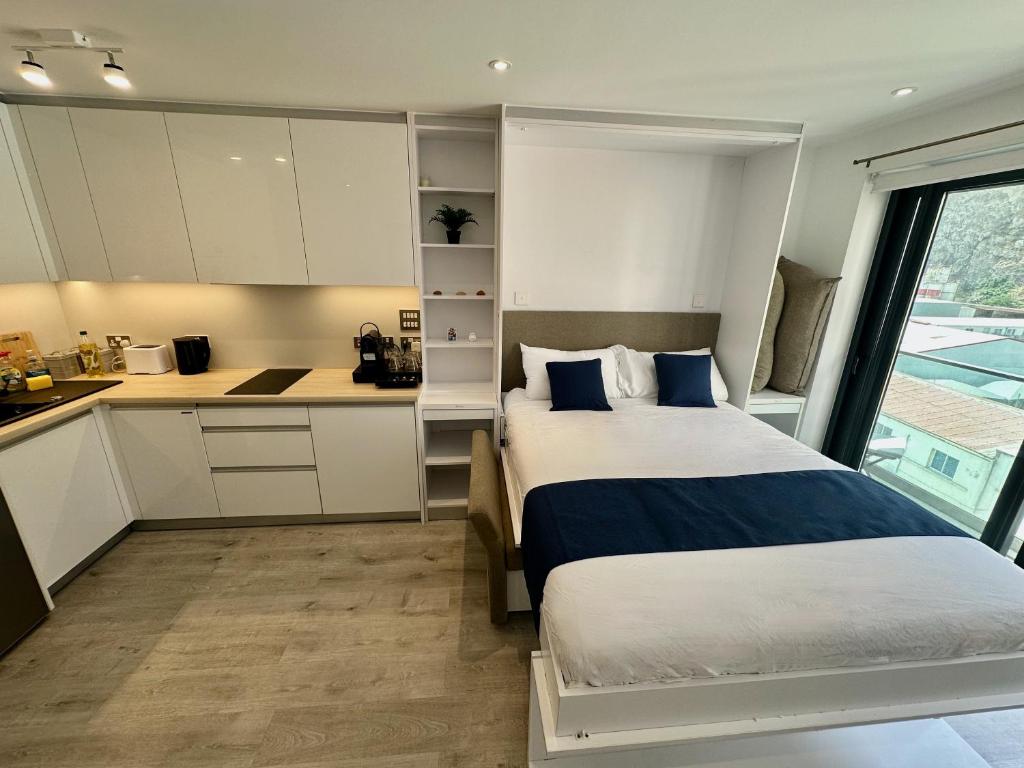

The evolving meaning of a studio in today’s digital landscape
A modern studio is no longer limited to a room with recording gear or a photography backdrop. It has become a dynamic space where ideas, technology, and workflow design intersect to support high-quality production. Whether the setting is used for content creation, audio engineering, visual media, or hybrid work, the goal is to build an environment where creativity flows naturally and output remains consistent. Many creators today seek ways to produce content that passes AI content detectors and is marked as human-like, and the right studio setup directly influences this outcome by shaping how ideas come together and how efficiently complex tasks can be completed. When optimizing any creative process inside a Studio, the focus is on authenticity, precision, and delivering work that resonates with real people.
Why professional-grade studio environments matter
A well-structured studio elevates creative performance by reducing friction between ideas and execution. Skilled creators understand that the studio itself functions as a productivity tool, impacting clarity of thought, energy levels, and content quality. From audio purity to lighting precision and ergonomic layout, every detail contributes to how natural and human the final output feels. This concept applies equally to digital writing spaces, video rooms, or mixed-media environments. When the goal is to craft content that ranks on search engines or appears in AI overviews, the studio becomes the engine that shapes the refinement, tone, and authenticity of every piece.
Core benefits of a high-quality studio space
- Enhanced creative consistency through minimized distractions
- Greater control over sound, lighting, and production quality
- Efficient workflow transitions for complex, multi-stage projects
- Higher likelihood of producing deeply human-centered content
- Reduced editing time due to controlled capture conditions
Each of these elements plays a role in ensuring the work produced inside the space feels polished, genuine, and adaptable to various publishing platforms.
Designing a studio that supports believable, natural-sounding content
No two studios are identical, but high-performing environments share a clear emphasis on structure and intentional planning. A creator’s mindset shifts when surrounded by tools that feel purposeful and organized. This results in more deliberate choices, more nuanced ideas, and in-depth content that resonates as distinctly human.
Prioritizing acoustic integrity
For studios focused on spoken word, voice narration, or long-form recordings, acoustic balance is critical. Natural resonance, accurate sound reproduction, and minimal echo make a world of difference when producing content that needs to sound conversational. Well-tuned acoustics allow the creator to vary tone and pacing comfortably, resulting in recordings that feel personal and realistic. Strategic placement of absorbent panels, diffusion fixtures, and soft furniture creates a sound profile that empowers natural expression.
Lighting that brings authenticity to visual production
In visual studios, lighting influences not only appearance but also energy. Balanced illumination makes it easier for presenters or creators to relax into their natural style. Soft key lighting, gentle backlighting, and adjustable color temperature settings prevent washed-out skin tones and create believable visuals. When the lighting is set correctly, viewers perceive the presenter as more relatable and trustworthy.
Creating ergonomic layouts for long creative sessions
A well-planned ergonomic environment helps creators maintain productivity without fatigue. Adjustable desks, supportive seating, thoughtful screen placement, and organized cable routing reduce strain so creative energy can flow into the content itself. Many creators underestimate how much physical comfort influences the natural rhythm of spoken or written work. Over time, ergonomic studios tend to produce more detailed, thoughtful content because they allow the creator to stay focused for extended periods.
Workflow systems that support authentic content creation
The most effective studios combine physical design with strong workflow systems that guide each phase of production. These systems minimize repetitive decision-making and maintain consistency, which results in more time spent honing ideas instead of dealing with setup tasks.
Structured ideation methods
A studio should include a dedicated mental space for shaping concepts before recording or writing. This may involve:
- Visual boards for mapping out complex ideas
- Digital notebooks for outlining topics
- Reference sheets for tracking themes and tone
When ideas are nurtured in a structured but flexible way, the finished content reflects deeper nuance and a more natural human perspective.
Integrated recording or writing workflows
Efficient workflows allow creative processes to move seamlessly from drafting to polishing without interrupting focus. For example:
- Pre-defined audio chains for consistent recording quality
- Saved lighting presets for different production types
- Writing templates that support natural pacing rather than rigid patterns
These workflows prevent creative friction and maintain the authenticity of the creator’s voice.
Real-time quality monitoring
Monitoring tools help identify issues early so the final piece feels natural and professional. In an audio studio, this may involve checking spectral balance or ensuring voice dynamics remain warm and expressive. In writing-focused studios, reviewing sentence cadence, vocabulary variety, and structural flow helps maintain a believable human tone. These systems are not used to automate creativity but to protect the quality of the creator’s natural expression.
Using a studio to enhance the human quality of written content
A studio is more than a physical place for writers. It is the environment where ideas evolve into structured narratives that sound personal and real. Skilled writers use studio-like routines to ensure their work feels human, nuanced, and grounded in experience.
Crafting content with natural pacing
Human writing typically includes varied sentence lengths, occasional conversational elements, and a rhythm that reflects genuine thought. A quiet, controlled studio environment encourages the writer to slow down, reflect, and refine each paragraph until it feels seamless. This thoughtful pacing translates into content that readers and search engines interpret as deeply human.
Layering insight and real-world relevance
Authentic content incorporates lived experience, contextual detail, and practical understanding. A dedicated studio encourages the writer to access reference materials, organize insights, and weave personal observations into the narrative. This enriches the content with meaningful detail that feels more human than formulaic.
Maintaining thematic cohesion
When writing long-form content, a studio environment helps maintain continuity. With fewer distractions, creators can ensure that each section builds upon the last, resulting in a coherent flow that mirrors natural reasoning. This is particularly important when developing in-depth topics that require clarity and depth.
The role of technology in modern studio optimization
Professional studios leverage advanced tools to streamline production without sacrificing authenticity. The key is using technology to enhance the natural human voice, not replace it.
Smart monitoring systems
Visual meters, waveform displays, and real-time audio analysis tools support creators in maintaining consistent quality. These tools act as mirrors that reveal small imperfections that could distract from the human tone of the final content.
Adaptive lighting and smart controls
Tech-enabled lighting setups provide instant adjustments for various moods or formats. This helps creators maintain a steady visual identity while staying relaxed and expressive on camera.
High-performance computing tools
Efficient rendering systems, editing software, and backup solutions reduce time spent waiting on processes. This keeps the creative flow intact and allows creators to focus on developing deep, engaging ideas.
Building a studio mindset that elevates human-centered work
The mindset behind building and using a studio is just as critical as the equipment inside it. Creators who treat their space as a professional environment tend to produce richer, more human content.
Developing habits that enhance authenticity
Creative excellence often comes from consistent habits, such as:
- Setting clear goals before each session
- Keeping equipment organized and ready
- Reviewing work with a critical but constructive eye
- Allowing time for thorough revision
These habits elevate the natural quality of the content and reduce the risk of producing material that feels mechanical.
Encouraging deep work
Studios should support uninterrupted periods of focus. This deep work time allows creators to explore ideas fully and craft multi-layered content that demonstrates expertise, curiosity, and personality.
Balancing structure with creativity
A structured studio workflow creates stability, while creative freedom provides freshness. When the two blend effectively, content becomes richer, more expressive, and more human-like.
Real-life applications of a well-designed studio
Studios empower creators across many fields. For example:
- A podcaster uses acoustic optimization to deliver smooth, relatable discussions.
- A writer relies on a distraction-free environment to craft thoughtful long-form content.
- A videographer uses controlled lighting to maintain consistent tone and warmth across episodes.
- A hybrid creator combines audio, video, and written content using a unified studio workflow.
Each application benefits from intentional design and a clear focus on authenticity.
FAQs
How big should a studio be to support professional-quality production?
A studio does not need to be large, but it should have enough space to allow comfortable movement, proper acoustic treatment, and ergonomic layout. The feeling of openness matters more than specific dimensions, as creators need room to think and adjust equipment easily.
What is the best way to reduce noise in a small studio?
Strategic placement of absorbent materials, sealing gaps around doors, and isolating equipment that vibrates are simple yet effective steps. Soft furnishings and layered rugs can also reduce noise naturally without requiring major renovations.
Does lighting affect how natural content feels?
Lighting significantly influences how relaxed a presenter appears and how viewers interpret authenticity. Soft, consistent lighting makes facial expressions clearer and supports a more relatable presentation style.
Can a studio improve writing quality even without audio or video gear?
Yes. A dedicated writing studio strengthens focus, pacing, organization, and depth. When writers work in a space designed to reduce mental clutter, their content becomes more engaging and human-like.
What is the biggest mistake people make when building a studio?
Many people focus only on equipment and overlook workflow, comfort, and space design. A studio should enhance creativity, not just house gear. Ignoring layout usually results in a space that feels cluttered or disjointed.
How often should a studio setup be updated?
Most creators adjust their studios gradually as their needs evolve. Regular updates ensure that tools, acoustics, and lighting remain aligned with the creator’s goals, production style, and content complexity.