Exploring the Benefits of High Dynamic Range Photography for Digital Images
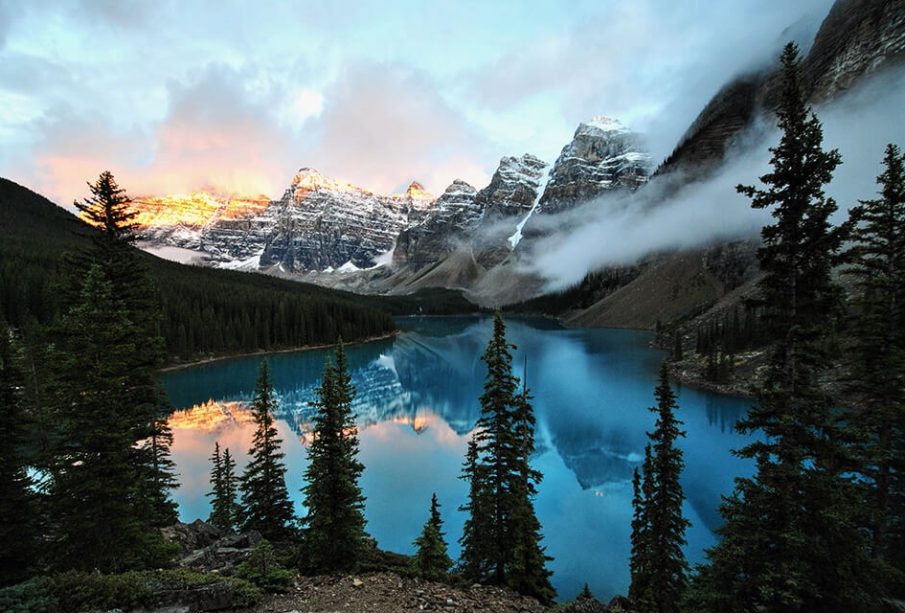
Anyone who has ever pointed a camera at a breathtaking sunset or tried to photograph the interior of a dimly lit room with bright windows knows the frustration of technical limitations. You see a scene perfectly balanced in tone and color, but the resulting digital image tells a different story. Either the sky is a blinding, featureless white, or the foreground is plunged into impenetrable darkness. This persistent struggle lies at the very heart of photography: the inability of a digital sensor to capture the full spectrum of light that the human eye can perceive in a single glance.
This is where High Dynamic Range, or HDR, photography steps in to bridge the gap between human perception and digital capability. By fundamentally changing how we capture and process light, HDR has evolved from a niche post-processing trick into an essential technique for modern digital image creators.
Decoding the Concept of Dynamic Range
To appreciate the benefits of HDR, you first need to understand dynamic range itself. In photographic terms, dynamic range refers to the ratio between the lightest and darkest elements of a scene that a camera can capture simultaneously without losing detail. This is measured in stops of light.
The human eye is an extraordinary optical instrument. Thanks to our brain’s rapid, on-the-fly processing, we can perceive a dynamic range of roughly 20 stops. If you stand in a shadowy forest looking out into a sunlit meadow, your eyes seamlessly adjust, allowing you to see the texture of the dark tree bark and the delicate clouds in the bright sky at the same time.
Digital camera sensors, despite massive technological leaps, still lag behind. A high-end professional camera might capture 14 or 15 stops of dynamic range, while an entry-level camera or smartphone might only manage 10 to 12. When the contrast of a scene exceeds the sensor’s capacity—a situation photographers call a high-contrast scene—the camera is forced into a compromise. It must either expose for the highlights, effectively turning the shadows pitch black, or expose for the shadows, which blows out the highlights into pure, unrecoverable white. HDR was developed specifically to solve this structural limitation.
The Mechanics Behind High Dynamic Range Imaging
HDR is not a single filter or a quick setting you simply toggle on and forget, though modern smartphones attempt to automate the process. In professional and enthusiast photography, true HDR is a deliberate, multi-step process involving both specialized capture techniques and dedicated software processing.
The Art of Exposure Bracketing
The foundation of HDR photography relies on a technique known as exposure bracketing. Instead of taking a single photograph and hoping for the best, the photographer captures a sequence of images of the exact same scene, each at a different exposure level.
A standard bracketed sequence usually consists of three to five images. The first image is shot at the camera’s recommended base exposure. The subsequent images are intentionally underexposed to capture the intricate details in the brightest highlights, such as the glowing orb of the sun or the neon signs of a cityscape. The final images are intentionally overexposed to reveal the hidden textures and colors buried deep within the shadows. Because these images must align perfectly during the editing phase, a sturdy tripod is an absolute necessity when shooting traditional HDR brackets.
The Digital Merge and Tone Mapping
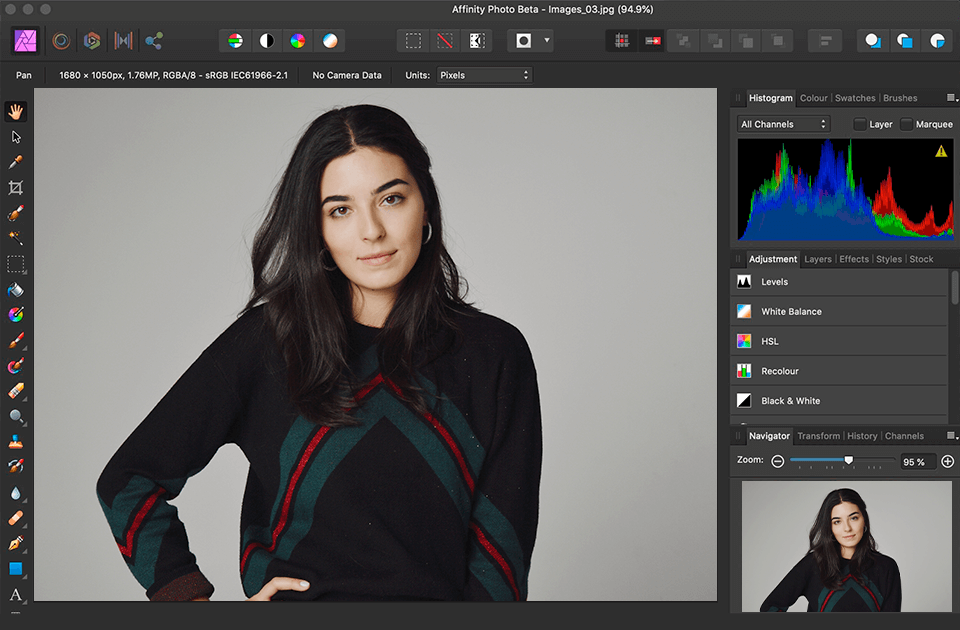
Once the bracketed sequence is captured, the files are brought into specialized photo editing software. The software analyzes the data from the entire sequence and mathematically merges them into a single, massive file—often a 32-bit digital negative. This newly created file contains an enormous amount of light data, encompassing every detail from the darkest shadows of the overexposed shot to the brightest highlights of the underexposed shot.
However, standard monitors and printers cannot display a 32-bit file properly. To make the image viewable, it must undergo a process called tone mapping. Tone mapping compresses the massive tonal range of the merged file back down into a standard format, allowing the photographer to selectively decide how the shadows, midtones, and highlights interact. This is where the true power of HDR is unlocked, giving the editor unparalleled control over the final digital image.
Why HDR is a Game-Changer for Digital Photography
The integration of HDR techniques offers profound benefits that fundamentally elevate the quality, impact, and utility of digital images across numerous genres of photography.
Preserving Delicate Highlights and Deep Shadows
The most immediate and obvious benefit of HDR is the total preservation of detail across the entire tonal spectrum. In standard photography, blown highlights are essentially areas of zero data; no amount of slider manipulation in post-processing can recover texture from pure white pixels. Similarly, pushing crushed shadows too far introduces destructive digital noise and color banding.
HDR eliminates this data loss. By drawing from the bracketed exposures, you can render a bright, cloudy sky with dramatic, rolling definition while simultaneously displaying the rich, dark textures of the landscape below. This total data preservation creates a richer, more structurally sound digital file that stands up to heavy editing and large-format printing.
Emulating the Human Visual Experience
Perhaps the most significant artistic benefit of HDR is its ability to replicate what the photographer actually saw in the moment. Because cameras fail to match the dynamic range of human vision, single-exposure photographs often feel flat, disappointing, or inaccurate compared to our memories of a location.
When applied with a careful, restrained hand, HDR processing brings the digital image much closer to human reality. It balances the light in a way that feels organic. The viewer is not distracted by blinding hotspots or muddy shadows; instead, they can explore the entire frame naturally, just as they would if they were standing in the scene themselves.
Enhancing Color Depth and Vibrancy
Color lives in the midtones. When parts of an image slide too far toward pure white or pure black, color saturation drops off precipitously. Because HDR photography expertly balances the exposure across the entire frame, pulling extreme tones back toward the middle, it naturally enhances the overall color depth of the image. The result is a vibrant, deeply saturated digital photograph where the colors remain accurate and vivid, even in areas that would normally be washed out or obscured by shadow.
Prime Scenarios for High Dynamic Range Application
While HDR is a powerful tool, it is not necessary for every photograph. Flat, overcast days or studio environments with carefully controlled lighting rarely require exposure bracketing. However, certain genres of photography rely heavily on HDR to produce professional-grade results.
Real estate and architectural photography represent perhaps the most common commercial application of HDR. A photographer tasked with shooting an interior space faces a massive disparity in light between the dim interior lighting and the bright sun shining through the windows. Without HDR, the windows become glowing white rectangles. With HDR, the photographer can seamlessly blend the interior details of the room with the clear, crisp view out the window, providing the comprehensive visual information that buyers and architects demand.
Landscape photographers also lean heavily on HDR, particularly during the golden hours of sunrise and sunset. Shooting directly into the sun creates massive contrast challenges. HDR allows the landscape artist to capture the fiery intensity of the sun on the horizon while maintaining the intricate details of the foreground rocks, foliage, or water.
The Fine Line Between Enhancement and Distortion
As with any powerful digital editing tool, the greatest challenge of HDR is knowing when to stop. In the early days of digital tone mapping, it became a popular trend to push HDR software to its absolute limits. This resulted in images characterized by glowing halos around objects, hyper-saturated colors, and a gritty, surreal aesthetic that looked more like computer graphics than photography.
Today, the standard for premium-quality HDR is invisibility. The goal of modern digital processing is to leverage the expanded dynamic range to create a flawless, beautifully balanced image without leaving any digital fingerprints behind. The best HDR photographs are the ones where the viewer has no idea the technique was even used; they simply assume they are looking at a masterfully captured, naturally perfect scene.
Understanding and utilizing High Dynamic Range is no longer just an optional trick for tech-savvy hobbyists; it is a foundational skill for anyone serious about digital imaging. By mastering exposure bracketing and tone mapping, photographers free themselves from the rigid limitations of camera sensors. They gain the ability to capture the world exactly as they see it, preserving every shadow, protecting every highlight, and producing digital images that resonate with stunning clarity and realism.